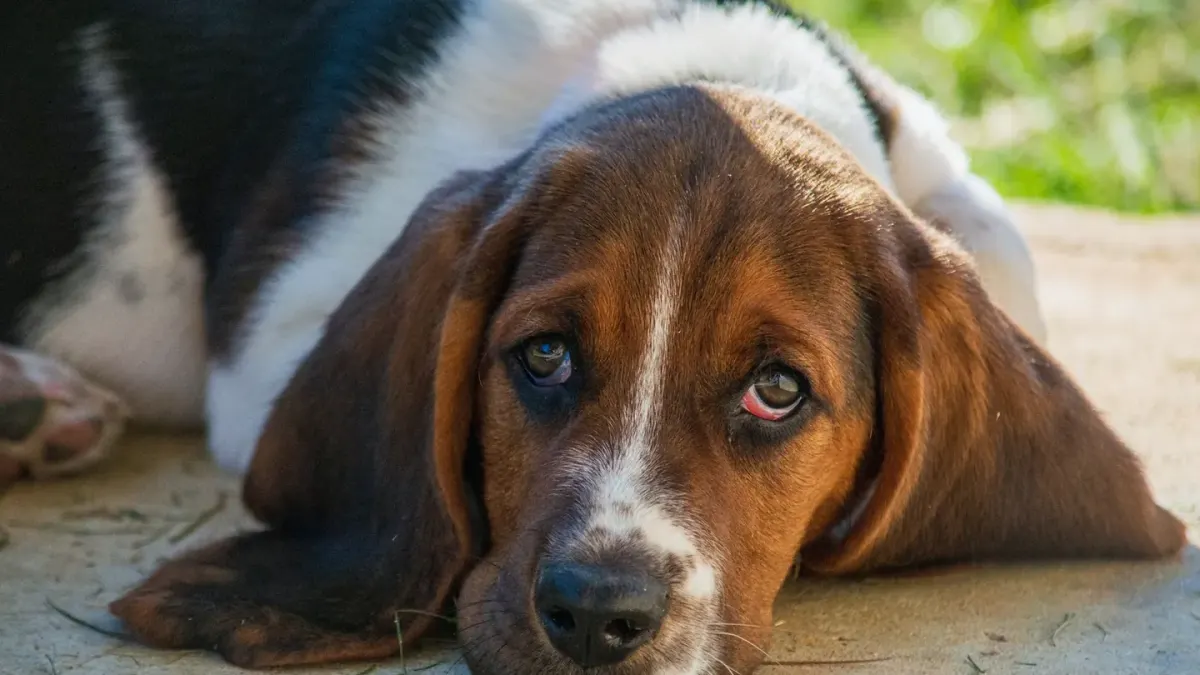
On this page
The premise I push back on
Most breed guides treat Basset Hounds like a droopy-eared novelty — sweet, slow, a little clumsy. I don’t counsel owners that way. I counsel them the way I’d counsel a client bringing home a dog with a known structural liability, because that’s what a Basset is. The long back and short, heavily boned legs that make the breed instantly recognizable are also a chondrodystrophic body plan, the same skeletal category as Dachshunds and Corgis. Research on conformation and disc disease found that dogs selected for this “long and low” shape carry disc abnormalities that predispose them to herniation (National Institutes of Health (NCBI): How Long and Low Can You Go?). Basset Hounds are named specifically among the breeds most susceptible to intervertebral disc disease, or IVDD, as a result (Basset Hound Foundation).
So the premise I’d push back on isn’t “are Bassets prone to back problems” — that part is well established. It’s the idea that this is a minor footnote you mention once and move past. In my experience it should be the organizing principle of the whole care plan: how you feed this dog, how you exercise it, how you let it get on and off furniture, and how closely you watch its weight all trace back to protecting that spine.
What actually predicts a good outcome
Three things consistently separate the Basset Hounds I see aging well from the ones who end up with a painful back, and none of them is exotic.
Weight control is the single highest-leverage intervention. A Basset’s long back and short legs mean extra pounds translate directly into spinal and joint strain rather than being distributed the way they might be on a taller, more evenly proportioned dog. Every extra pound of body fat is extra load on discs that are already structurally predisposed to failure. I ask owners to measure food rather than eyeball it, and to feel for ribs under a thin fat layer rather than relying on the look of the dog from above — a Basset’s low-slung shape hides weight gain longer than most breeds.
Ear maintenance is not optional grooming, it’s medical prevention. Long, low-hanging ears block airflow to the canal, creating a warm, humid environment where yeast and bacteria multiply. Basset Hounds are consistently named among the breeds with the highest rates of otitis externa, and the underlying driver in adult dogs is very often an allergy that keeps the ear canal chronically inflamed and vulnerable (American College of Veterinary Surgeons). Left unchecked, a mild ear that a client dismisses as “just how his ears smell” can progress to a painful, chronic infection that’s much harder to resolve.
Controlled movement beats either forced rest or unrestricted jumping. Because of the disc risk, I steer owners away from letting a Basset free-jump on and off couches, beds, or car seats, and toward steady, low-impact movement — flat walks, and swimming where it’s available — rather than sudden bursts of activity. This isn’t about restricting the dog’s life; it’s about matching activity to what the spine can actually tolerate.
A dog I worked with, and the lesson that stuck
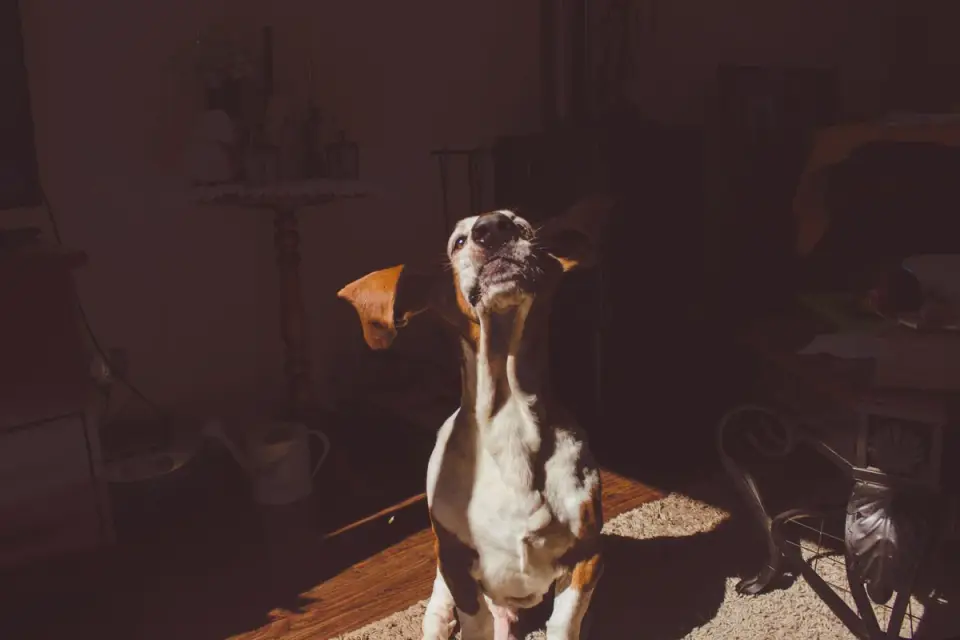
I remember a seven-year-old Basset named Duke, about 68 pounds on a frame built for closer to 55, who came in because his owner noticed he’d stopped jumping onto the bed on his own sometime that spring. She hadn’t thought much of it at first — she assumed he was just getting lazy, the way older dogs do — until she also noticed he was slower going down the two steps into the sunken living room, hesitating and stiff-legged after naps. On exam, his back was tender along the mid-thoracic spine, and his ears, when I looked, were mildly red and slightly odorous, the kind of low-grade inflammation an owner gets used to and stops noticing. The two issues weren’t unrelated in my mind. His extra weight was straining a back that already carried breed risk, and a low-grade ear infection he’d been living with for months was one more sign that a slower-moving day-to-day routine had let small things slide. We built a plan around weight reduction, ramps instead of jumping, and a consistent ear-cleaning routine, and it reframed for me how much these pieces depend on each other rather than standing alone.
Where I land, and the counterargument I take seriously
The counterargument I hear most is that Basset Hounds are a low-energy breed, so intense management feels like overkill for a dog who mostly wants to sniff around the yard and nap. There’s something to that — Bassets genuinely don’t need marathon exercise, and over-exercising a young, still-developing Basset carries its own risks. But low energy is exactly what makes the weight and back-protection habits easy to neglect. A dog that isn’t demanding long runs also isn’t burning off excess calories the way a more active breed would, and a dog that naps most of the day isn’t giving you many chances to notice a stiff back before it’s a real problem. So I still land on the same place: build the daily structure around the spine and the ears from the start, rather than waiting for a limp or a foul-smelling ear to force the issue. For owners weighing where else breed-specific care habits matter, guides on best breeds for apartment living and best breeds for first-time owners cover some of the same home-setup thinking that applies here.
Owner checklist before you settle into a routine
- Weigh in monthly and adjust food portions rather than free-feeding; a Basset’s shape hides weight gain longer than most breeds.
- Block the jump — use ramps or steps for beds, couches, and cars instead of letting the dog leap.
- Check ears weekly for redness, odor, or discharge, and clean on a schedule your vet sets rather than only when a problem appears.
- Favor flat, steady walks and swimming over stop-and-start play that stresses the spine.
- Ask your vet early about joint-support nutrition and mobility monitoring — earlier conversations give you more options than a crisis visit does.
- Watch for early back-pain signs: reluctance to jump, stiffness after rest, or a hunched posture, and don’t wait them out.
Not every Basset Hound will develop back or ear problems, and plenty live long, comfortable lives. But the ones who do best are almost always the ones whose owners treated weight, ear care, and controlled movement as one connected plan from the start — not three separate chores. That’s the habit worth building now, before a limp or an infection forces the conversation.
Frequently asked questions
How much exercise does a Basset Hound actually need?
Steady, low-impact daily walks are usually enough; Bassets don't need intense exercise, and activities involving jumping or sudden direction changes are best avoided given the breed's disc risk.
Why do Basset Hounds get so many ear infections?
Their long, low-hanging ears block airflow to the ear canal, creating a warm, moist environment where bacteria and yeast thrive, and Basset Hounds are consistently named among the breeds with the highest rates of otitis externa.
Is back pain in Basset Hounds always IVDD?
Not always, but Basset Hounds are a chondrodystrophic breed at meaningfully elevated risk for intervertebral disc disease, so any stiffness, reluctance to jump, or hunched posture warrants a prompt veterinary exam rather than a wait-and-see approach.
Sources
- How Long and Low Can You Go? Effect of Conformation on the Risk of Thoracolumbar Intervertebral Disc Extrusion in Domestic Dogs — National Institutes of Health (NCBI)
- Basset Hound IVDD (Intervertebral Disc Disease) — Basset Hound Foundation
- Otitis Externa — American College of Veterinary Surgeons