
On this page
- Start here: the checklist before you build a routine
- The premise I push back on
- What actually predicts a good outcome
- A dog I worked with and the lesson that stuck
- Where mobility and heart health fit into the daily routine
- Where I land, and the counterargument I take seriously
- Owner checklist before you settle into a routine
Start here: the checklist before you build a routine
- Before 18 months: no forced runs, no repeated jumping, no long bike-jogs — growth plates aren’t closed yet.
- Adults (2–7 years): 30–45 minutes of real exercise daily, split into two sessions, with a warm-up.
- Age 6+: ask about a cardiac workup before you increase intensity, not after a fainting episode.
- Every age: watch stairs, watch jumping onto the couch, watch how a dog holds a sit — these are the tells owners miss.
- Weight: keep ribs easy to feel; excess weight is the single most modifiable driver of joint strain in this breed.
- Home setup: rugs on hard floors, ramps over jumps, cool surfaces in summer — Boxers overheat faster than their energy suggests.
The premise I push back on
Owners tell me Boxers are “high energy, so they need to run it out.” I understand where that comes from — the breed looks athletic, moves fast, and seems built for miles. But I don’t counsel owners to treat a Boxer like a working sporting dog. This is a breed with two specific vulnerabilities that change the calculus: a slow-closing growth plate timeline and a real, well-documented cardiac disease. Exercise volume matters less than exercise type and timing, and that’s the conversation I have in almost every Boxer wellness visit.
The growth-plate piece is straightforward. Boxers are a large, late-maturing breed, and their growth plates typically aren’t fully closed until around 18 months of age, according to the American Kennel Club. Forced runs, repeated jumping, and long structured exercise before that window closes put stress on joints that haven’t finished forming. A 20-minute leash walk and a game of fetch is plenty for a young Boxer — the excess energy is better spent on training and enrichment than mileage.
What actually predicts a good outcome
The heart is the part owners underestimate. Boxer cardiomyopathy — arrhythmogenic right ventricular cardiomyopathy, or ARVC — is a hereditary, adult-onset disease that can cause fainting, collapse, or sudden death, and it’s common enough in this breed that it has its own name in most vet school curricula. Research out of North Carolina State University’s veterinary hospital found that of nearly 2,000 Boxers tested, 41 percent carried one copy of the associated gene mutation and 6 percent carried two, according to NC State Veterinary Hospital. Average age of symptom onset is around six years old. That’s the reason I ask every Boxer owner, once their dog crosses that age, whether they’ve discussed a baseline Holter monitor or echocardiogram with their regular vet — not because every Boxer will develop clinical disease, but because catching it early changes what you can do about it.
Hip and spinal health are the second piece. Hip dysplasia shows up regularly in this breed, and degenerative myelopathy — a progressive disease of the spinal cord that typically onsets between 8 and 14 years old — is also disproportionately represented in Boxers. Of more than 2,100 Boxers tested through the Orthopedic Foundation for Animals, only 17 percent came back clear for the DM-associated gene, according to OFA. None of this means every Boxer will develop these conditions. It means the exercise and home-management choices you make in year one and year six are not cosmetic — they’re the variables you can actually influence.
A dog I worked with and the lesson that stuck
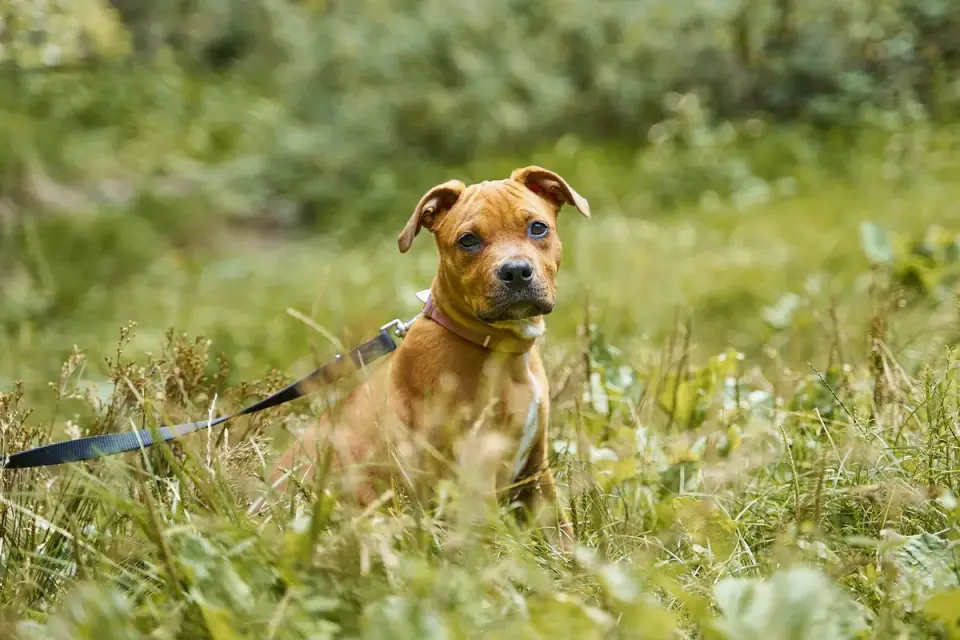
I had a client bring in a two-year-old Boxer named Diesel, about 68 pounds, because he’d started hesitating before jumping into the back of their SUV — something he’d done without a second thought for a year. The owner had noticed it over maybe three weeks, always worse after their Saturday morning runs together, which had crept from two miles to five over the summer. No limping at a walk, no obvious pain on exam, but a subtle stiffness getting up from a down position after rest. Radiographs showed early hip changes consistent with mild dysplasia — not advanced, but real. We didn’t stop exercise. We changed its shape: shorter, more frequent walks instead of long runs, added a joint-support routine, and swapped the SUV jump for a ramp. Eight weeks later the hesitation was gone. The lesson wasn’t that running caused the dysplasia — it likely didn’t — but that pushing distance on a joint already working harder than it should have accelerated the symptoms the owner could see.
Where mobility and heart health fit into the daily routine
I build Boxer routines around three pillars, in this order: weight, movement pattern, and monitoring. Weight first, because Boxers carry muscle well and owners often don’t notice a few extra pounds until it shows up as reluctance on stairs — and excess weight is the most controllable driver of joint stress at any age. Movement pattern second: two shorter walks beat one long one for a breed prone to overheating and joint strain, and low-impact options — swimming, structured walking, tug — let a Boxer burn energy without the repetitive jarring of running on pavement. Monitoring third, and this is where I differ from a lot of general breed guides: I don’t wait for a Boxer to show cardiac symptoms before bringing it up. If you’re increasing exercise intensity in a Boxer over six, that’s the moment to ask your vet about screening, not after a fainting spell in the yard.
Joint and mobility supplements can be a reasonable part of this picture for a breed carrying this much orthopedic and connective-tissue load, and I tell owners to think of them as support for a dog’s overall structure and function, not as a substitute for weight management or appropriate exercise. They work alongside the routine, not instead of it.
The owners I see who manage this best are the ones who stop thinking of “exercise” and “health monitoring” as separate boxes to check. They’re the same conversation. A Boxer that’s getting the right kind of movement and getting checked at the right ages is a dog whose owner is set up to catch problems while they’re still manageable — that’s the whole game with this breed.
Where I land, and the counterargument I take seriously
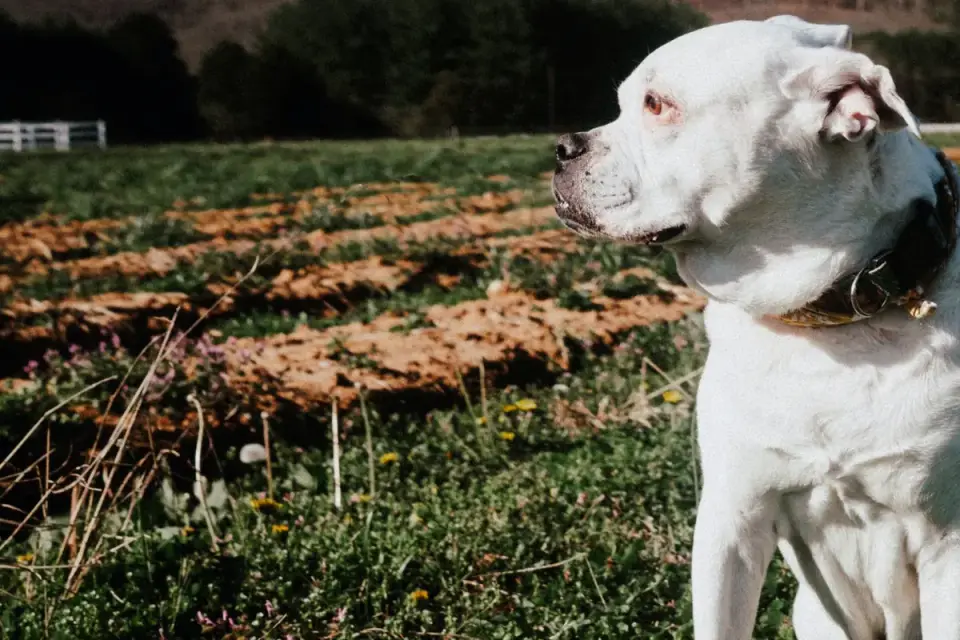
The strongest pushback I get is from owners with genuinely high-drive Boxers who feel under-exercised on a 30-45 minute routine — and they’re not wrong that a bored Boxer can become a destructive one. I take that seriously. My answer isn’t to cap total activity; it’s to diversify it. Structured obedience work, nose work, and swimming can absorb a lot of that drive without the joint load of daily running. I still land on the side of protecting the growth plates and the heart over maximizing mileage, because the downside of under-exercising is a training problem you can fix. The downside of pushing a young joint or an undiagnosed heart is not.
If your household includes other breeds and you’re weighing space and activity needs across the board, our guides on best dog breeds for apartment living and best dog breeds for first-time owners cover how activity level should shape that decision. And if you’re deciding between a smaller, lower-impact companion and a Boxer’s size and energy, the size comparison in Toy Poodle vs Miniature Poodle walks through how body size changes mobility planning.
Owner checklist before you settle into a routine
- Confirm your Boxer’s approximate growth-plate closure age (around 18 months) before adding running, biking, or repeated jumping to the routine.
- Ask your vet about ARVC screening options once your Boxer turns six, especially before increasing exercise intensity.
- Keep ribs easily felt under a light fat layer; reassess food and portions every few months, not once a year.
- Swap one long walk for two shorter ones if you notice stiffness after rest or hesitation before jumping.
- Add ramps for cars and furniture rather than assuming a young or aging Boxer should keep jumping.
- Talk to your vet about where joint-support supplements fit alongside — not instead of — exercise and weight management.
Bottom line: a Boxer’s exercise plan should change on a timeline that matches their growth plates and their heart risk, not their energy level alone — get the timing right and most of the rest takes care of itself.
Frequently asked questions
At what age can a Boxer start running or jogging with me?
Most Boxers aren't ready for structured running until their growth plates close, generally around 18 months old. Before that, stick to short walks and free play rather than forced, repetitive exercise.
How do I know if my Boxer needs a heart screening?
Any fainting, collapse, or unusual exercise intolerance warrants an immediate vet visit. Beyond that, many vets recommend baseline cardiac screening once a Boxer reaches six years old, since that's the average age of symptom onset for Boxer cardiomyopathy.
Sources
- Boxer Puppy Training Timeline: How to Train a Boxer — American Kennel Club
- Arrhythmogenic Right Ventricular Cardiomyopathy (ARVC) in Boxers — NC State Veterinary Hospital
- Degenerative Myelopathy — OFA