On this page
A dog that moves well outside usually digests well inside, and that pattern is where I start every gut conversation. In my acupuncture practice, paired with an ER background, I look at stool quality, appetite, coat, and how a dog recovers after a walk before I talk about adding anything to the bowl. Food comes first, gentle movement second, and microbial support only where it fits to help support normal regularity.
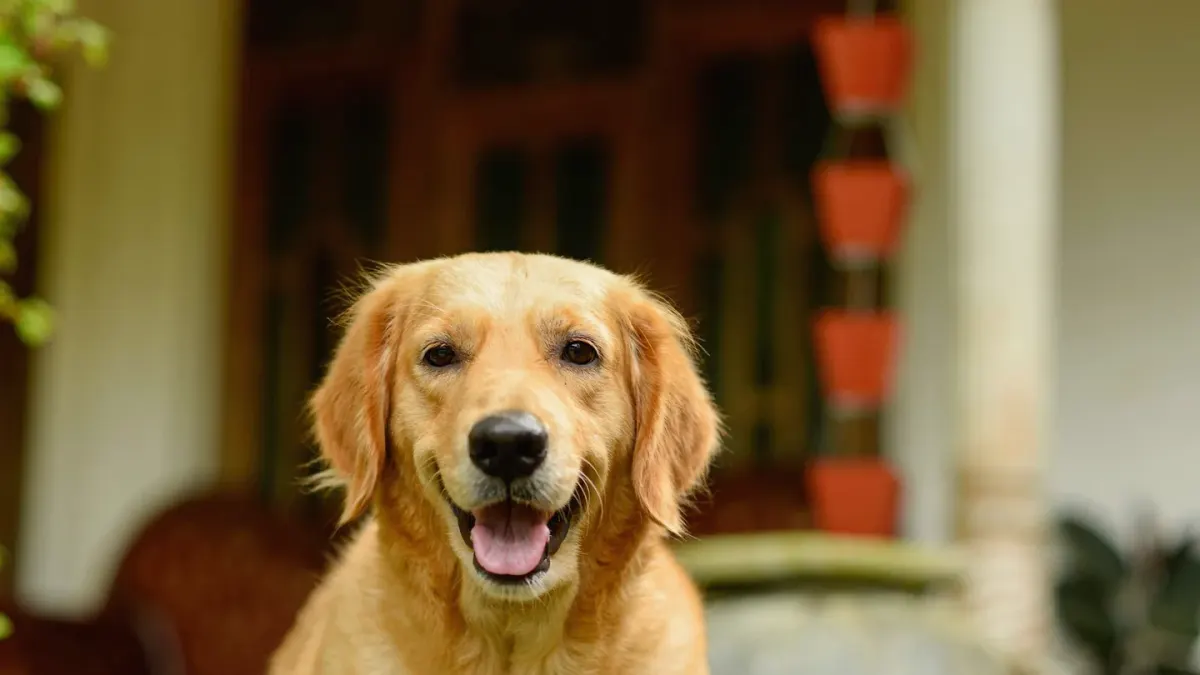
A 4-year-old, 52-pound mixed-breed dog came in after a winter of short leash breaks around the block. His owner counted just 4 outdoor walks per week, each under 10 minutes, and his stools had slipped to soft piles by day 9 of that routine. He was eating the same kibble, drinking normally, and his energy looked fine on the couch, but he strained slightly and passed extra gas at night. We did not change food or add a supplement that week. We rebuilt the outdoor rhythm first, then watched the morning stool for 14 days before deciding anything else.
My starting point: regular movement steadies the gut first
Low-impact, repeated movement supports normal gut motility, which is the wave-like contraction that moves food and waste along. When a dog walks, sniffs, trots, and rests in intervals, abdominal muscles engage, breathing deepens, and the nervous system shifts toward rest-and-digest. That matters for firm stools because transit time shapes water absorption.
I expect owners to prioritize a repeatable outdoor routine before chasing a new fiber or bacterial strain. Aim for one to two relaxed walks daily, with sniff breaks, plus brief play on soft ground if joints allow. For older or stiff dogs, several 10- to 15-minute strolls often support comfort better than one long weekend hike.
This is not a promise that walking fixes diarrhea. It may help support normal digestive function alongside consistent meals, fresh water, and weight control. What would change my mind is a controlled trial showing outdoor time alone worsens microbial balance in healthy dogs, and that evidence does not exist right now.
What soil, grass, and other dogs actually add
Dogs sample the world with nose and mouth. Soil particles, grass, leaf litter, and fecal traces from other animals carry microbes and fibers into the mouth and, downstream, the colon. Researchers studying cohabitation found that people and dogs living together share skin and gut microbes, a finding reported in eLife, which suggests close contact and shared environments shape microbial communities.
That does not mean more dirt equals better health. It means variety of low-stress exposures — different walking routes, grass and trail surfaces, calm greetings with known healthy dogs — gives the gut ecosystem regular, mild input. Think of it as part of movement, weight, and home environment working together, not a reason to visit dog parks daily or let a dog drink from puddles.
A 7-month-old, 18-pound terrier mix had the opposite problem: too much novelty too fast. After three weekends of daycare, trail hikes, and a lake visit within 12 days, he developed loose evening stools and woke twice in three nights to go out. His owner had also rotated through two treat bags and a new chew in that window. The gut had not failed; it was overwhelmed. We paused trail outings for one week, kept two familiar neighborhood loops, held meals steady, and his stool firmed without any prescription change. Novelty has a dose.
Fermented foods and soil contact get a lot of attention, but fiber type still does much of the quiet work. For background on how live microbes are generally understood to interact with the gut, the NIH Office of Dietary Supplements notes that probiotics may help support digestive balance, while emphasizing strain, dose, and context matter.
Where supplements fit beside movement and meals
Once food and outdoor rhythm are steady for two to three weeks, some dogs still have inconsistent stools, gas, or slow recovery after travel and boarding. That is when I consider whether a probiotic, prebiotic fiber, or digestive enzyme blend fits. Learn what each component is meant to do in Digestive Enzymes for Dogs: What They Actually Do at Every Life Stage and how prebiotics and live cultures differ in Colostrum vs. Probiotics for Dog Gut Health: What Each One Is Actually Doing.
Pumpkin powder, oat fiber, and mixed plant fibers may help support normal stool form by holding water and feeding resident microbes. Live cultures are strain-specific, so I look for named strains, guaranteed live counts through expiration, and clear feeding directions. I do not expect a chew to replace walks, weight management, parasite prevention, or veterinary workups for persistent vomiting, bloody stool, or weight loss.
If stools stay loose despite steady meals and movement, revisit the basics covered in How to Firm Up a Puppy’s Loose Stool Naturally and Feeding Your Dog While Traveling: What Actually Keeps a Gut Steady on the Road. Travel and schedule changes often explain what looks like a supplement failure.
An 11-year-old, 68-pound Labrador with stiff hips forced us to bend the usual walk-more advice. He could manage only 0.3 miles before lagging, and uneven trails left him sore the next morning. Instead of pushing distance, his owner built five short yard sessions per day, totaling 35 minutes, with sniff mats, gentle weight shifts, and drinking breaks every 10 minutes. By week 3 his morning stools were more formed, and he rose from his bed with less stiffness. Less ground covered, more often, fit his body.
Your owner checklist for gut-steady outdoor time
Keep this practical. Build movement, watch the stool, adjust slowly.
- Keep meal times, amounts, and water access consistent for 14 days while you change only the walk plan.
- Walk daily on varied, clean surfaces. Let the dog sniff. Avoid stagnant water, heavy goose droppings, and unfamiliar feces.
- Track stools simply: time, form, and effort. Improvement is usually gradual over 1 to 3 weeks.
- Maintain healthy weight and parasite prevention. Both shape gut resilience more than any single chew.
- Pause and call your veterinarian for bloody stool, repeated vomiting, lethargy, loss of appetite beyond 24 hours, or weight loss.
- Add microbial or fiber support only after the routine is steady, and judge it against your notes, not hope.
Outdoor time will not rewrite genetics or cure disease. Done steadily, it may help support the motility, rhythm, and microbial variety that let a dog’s gut do its daily work.
Frequently asked questions
How much outdoor time helps a dog's digestion?
Most adult dogs do well with one to two relaxed walks daily plus sniff and potty breaks, often totaling 30 to 60 minutes. Senior or arthritic dogs often do better with several short strolls. Watch stool form and recovery over 1 to 3 weeks and adjust with your veterinarian.
Does letting my dog sniff and lick outside change gut bacteria?
Mouthing soil, grass, and shared spaces introduces environmental microbes, and shared living does shape microbial communities. Keep exposures clean and low-stress, avoid feces and stagnant water, and prioritize routine over heavy novelty.
Should I add a probiotic if stools stay soft despite walks?
First hold food, walks, and sleep steady for two to three weeks and track stools. If soft stools persist, talk with your veterinarian about whether a named-strain probiotic or fiber fits, and judge the change against your notes.
Sources
- Cohabiting family members share microbiota with one another and with their dogs — eLife
- Probiotics Fact Sheet for Health Professionals — NIH Office of Dietary Supplements