On this page
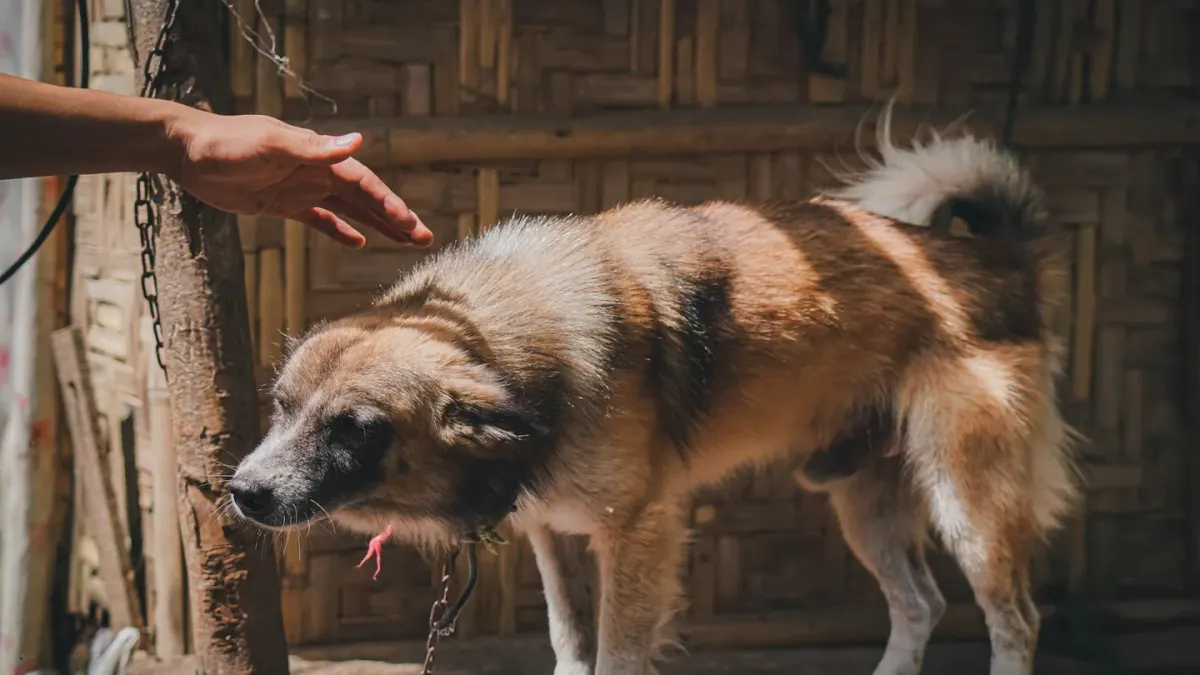
The premise I keep hearing from owners is that a picky dog just needs a better-tasting food. I want to test that premise, because in my exam room the dogs who “won’t eat” are, more often than not, dogs whose gut, joints, or GI motility are quietly telling them something is wrong with the current plan.
I’ve worked with a nine-year-old Cavalier King Charles Spaniel, about 16 pounds, whose owner described her as “always a little fussy” but noted she’d started leaving half her breakfast in the bowl by 8 a.m. and refusing dinner outright by week two. The change tracked with looser stool and a slower approach to the food bowl itself — she’d walk up, sniff, and back away rather than dive in like she used to. Over about three weeks we worked through a stepwise plan: rule out pain and GI upset first, simplify the feeding routine second, and only then experiment with palatability. By the fourth week she was finishing meals again, though I want to be clear that’s one case, not a study result — it’s the kind of pattern that tells me where to start looking, not proof of what will work for every dog.
The disputed premise: is this a taste problem at all
Owners default to assuming picky eating is a preference issue — the food is boring, the dog wants variety, a pickier palate needs a fancier can. Sometimes that’s true. But appetite in dogs is regulated by gut signaling, pain, nausea, and GI comfort just as much as flavor, and a dog that’s uncomfortable after eating will learn to avoid the bowl regardless of what’s in it. Before chasing a tastier formula, it’s worth asking whether the dog’s digestive system is actually processing what it’s already getting.
This matters most in dogs with underlying pancreatic or digestive disease, where poor food intake is a symptom rather than the primary problem. In dogs with exocrine pancreatic insufficiency, for example, the condition is managed with pancreatic enzyme replacement, a low-residue diet of moderate fat content, and cobalamin supplementation — not by finding a food the dog merely prefers, according to a review published in the Journal of the American Veterinary Medical Association. That’s a specific, diagnosed condition, not the average picky eater, but it illustrates the broader point: appetite loss can be a downstream sign of a gut that isn’t functioning well, and it’s worth a veterinary workup before assuming the dog is simply spoiled.
What actually changes a dog’s relationship with food
Once pain, dental disease, and GI illness are reasonably ruled out or addressed by your veterinarian, the fixes that actually move the needle are largely routine and environment, not a single miracle ingredient.
- Set a schedule and stick to it. Free-feeding all day removes any incentive to eat during a meal window. Two structured meals, offered for 15–20 minutes and then picked up, rebuild a hunger cue.
- Cut the between-meal calories. Table scraps and high-value treats blunt appetite for the actual meal. If treats make up more than roughly 10% of daily intake, the bowl will always lose.
- Warm wet food or add warm water to kibble. This releases aroma, which drives appetite in dogs more than most owners expect.
- Feed in a low-traffic, low-stress spot, away from other pets competing for the bowl.
- Rotate protein sources rather than entire product lines if you want variety, since a full diet swap can itself trigger GI upset that worsens the problem.
A short paragraph here matters more than a long one: consistency beats novelty for most picky dogs.
Where gut support fits — and where it doesn’t
This is the part I’m most conservative about, because I think owners reach for a supplement before they’ve done the boring diagnostic work, and that ordering matters. A supplement is not a substitute for identifying why a dog stopped eating; it’s a tool for supporting a gut that’s already inflamed, dysbiotic, or recovering from a GI event, once a cause has been addressed or ruled out.
Where I do think there’s a defensible role: fiber and probiotic support for a gut that’s been through diarrhea, antibiotic use, or a diet change. Pumpkin fiber, for instance, is a gentle, natural source of both soluble and insoluble fiber, according to Boops Pets’ vet-reviewed claim list, and that combination can help firm stool and support normal transit — which in turn can make a dog more willing to approach the bowl again once GI discomfort resolves. On the probiotic side, a balanced gut microbiome supports overall immune function, per the same vet-reviewed source, though I’d caution against expecting a probiotic alone to reverse true inappetence; a recent randomized trial in dogs found that microbiome diversity metrics didn’t distinguish the dogs who responded to probiotic treatment from those who didn’t, per a study in Frontiers in Veterinary Science — meaning we still can’t reliably predict which dogs will improve on a given probiotic, and outcomes are individual.
The strongest counterargument to reaching for gut support at all is that most picky eating has nothing to do with the microbiome — it’s behavioral, dental, or orthopedic (a dog with mobility pain may avoid bending to a low bowl). I take that counterargument seriously, which is why I still put a diagnostic workup ahead of any supplement conversation. But for the subset of dogs whose appetite loss follows a GI event — a bout of diarrhea, a course of antibiotics, a diet change — targeted fiber and enzyme support has a real, if bounded, place. A combination formula with probiotics, prebiotic fiber, a 300 mg postbiotic yeast complex, and digestive enzymes is one example of that kind of four-part approach, per Boops Pets’ vet-reviewed claim list, though I’d frame it as one input into recovery, not a fix for a dog that’s refusing food for an unrelated reason.
Digestive enzymes deserve the same caveat researchers apply to their own field: even in diagnosed cases managed with enzyme replacement therapy, the review in JAVMA notes that future studies are still needed to understand why gut dysbiosis persists in some animals after enzyme therapy starts, and to test treatments for it. That’s an honest admission from the literature, and it’s why I don’t oversell what an enzyme supplement can do outside a diagnosed deficiency.
A dog’s mobility and appetite are more connected than owners expect
I’ve also watched appetite recover once a mobility problem was addressed rather than the food. An older Labrador I worked with, heavyset at close to 80 pounds, had started eating standing farther and farther from a raised bowl stand, and his owner assumed it was pickiness. What was actually happening was mild hip discomfort that made the bend-and-hold posture of eating uncomfortable, especially on the tile floor where his back paws would slide. Switching to a non-slip mat under the bowl and lowering it slightly, alongside the joint-support conversation we were already having for his stiffness after rest, resolved the “picky” behavior within about ten days — he wasn’t refusing the food, he was refusing the posture it required. It’s a reminder that appetite complaints in older or larger dogs sometimes start in the joints, not the kitchen, and it’s worth watching whether a dog eats differently after a nap or a walk versus first thing in the morning.
This is also where diet knowledge outside pure appetite is worth having on hand: owners managing a fussy eater often ask what else is or isn’t safe to add to the bowl to boost interest. It’s worth knowing, for instance, that grapes are never a safe substitution, that onions carry real toxicity risk, and that even fruit that seems benign, like apples, comes with a fiber-and-whole-diet tradeoff worth understanding before you use it as a topper. None of these are appetite fixes; they’re guardrails for owners experimenting with add-ins.
The owner’s checklist
- Rule out dental pain, nausea, and orthopedic discomfort with your veterinarian before assuming preference is the issue.
- Set a fixed 15–20 minute meal window, twice daily, and pick the bowl up if it isn’t touched.
- Cut treats and scraps to a small fraction of daily calories.
- Warm food slightly and feed in a quiet, low-traffic spot.
- If appetite loss followed a GI event, consider fiber and probiotic support as part of recovery — not as a first-line fix for a dog that simply won’t eat.
- Watch for appetite changes tied to posture, stairs, or getting up after rest; that pattern points toward joints, not the food itself.
- See a veterinarian promptly if a dog refuses food entirely for more than 24 hours, or shows vomiting, lethargy, or weight loss alongside reduced appetite.
Bottom line: most picky eating resolves with a diagnostic check, a consistent schedule, and patience — gut support has a real but bounded role for dogs recovering from a GI event, and it’s never a substitute for finding out why the dog stopped eating in the first place.
Frequently asked questions
How long can a picky dog go without eating before it's an emergency?
Most healthy adult dogs can tolerate skipping a day of food, but refusal beyond 24 hours, or any refusal paired with vomiting, lethargy, or diarrhea, warrants a same-day veterinary check rather than more waiting.
Does switching dog foods often help a picky eater?
Usually not — frequent diet rotation can itself unsettle the gut and worsen appetite. A consistent schedule and ruling out pain or GI issues typically does more than a new formula.
Can a probiotic or digestive enzyme fix a picky eater?
Only in a specific context: dogs recovering from a GI event like diarrhea or antibiotic use may benefit from added fiber and probiotic support, but a study in dogs found diversity metrics didn't predict which dogs would respond, so results are individual and not guaranteed.
Sources
- Exocrine Pancreatic Insufficiency in Dogs: Diagnosis and Management — Journal of the American Veterinary Medical Association
- Probiotic Response and Microbiome Diversity in Dogs — Frontiers in Veterinary Science