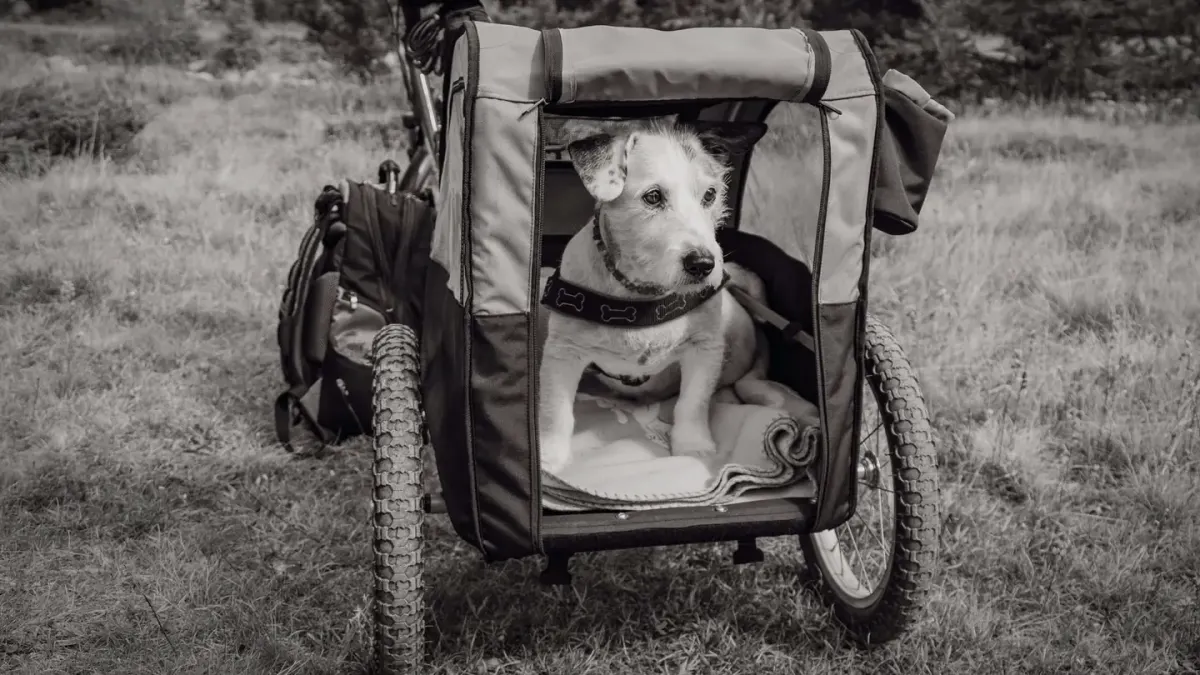
If you expect a queasy puppy to outgrow car sickness on one long road trip, I want to reset that baseline first. In practice, vets often see the opposite: one overwhelming ride cements the nausea, drooling, and dread for the next ride. My disputed premise is simple — short, boring repetitions prevent more vomiting than any single trick, and dogs that get those repetitions need medication far less often.
Your no-medication checklist to reduce car sickness
- Travel on a mostly empty stomach: light meal 3–4 hours before, water available, no large meal right before loading
- Keep the head and body still: secured crate or crash-tested harness, non-slip mat, dog facing forward
- Cool, fresh air over strong scent: cracked windows for cross-ventilation, no dangling air fresheners, keep temperature near 68–72°F
- Drive smooth and short: gentle acceleration and braking, frequent 10–15 minute breaks on longer routes
- Train in layers: 5-minute driveway sessions first, then around the block, then 15–20 minutes, paired with calm praise
- Track the pattern: note drool, lip-licking, yawning, whining, vomit, time of day, and last meal for 6–8 trips
That list is your filter. If a tip does not make the ride shorter, steadier, cooler, or more predictable, it probably will not move the needle.
The reason VCA Hospitals frames motion sickness as a vestibular mismatch is worth understanding. The inner ear senses motion, the eyes see a still car interior, and the brain flags the conflict with nausea. Puppies under 1 year are more vulnerable because that system is still maturing, and stress hormones amplify the signal. This is why behavior and motion both matter for support of normal settle and comfort on the road.
Eric in McKinney, Texas, lived this with Wynter, a 2-year-old spayed female Coton de Tulear who drooled heavily by mile 8 and vomited twice on a 45-minute route. He switched to 5-minute evening loops around the neighborhood for two weeks, 10 trips total, with a secured crate and a cracked rear window, and logged lip-licking instead of vomit by trip 7. That timeline is typical: improvement shows as less drool first, then settled lying down.

Short repetitions beat long endurance tests
Habituation only works below the vomiting threshold. Start with the engine on in the driveway, treat for calm loading, then back out. Next day, drive around the block. Keep early sessions under 5–10 minutes and end before signs escalate. The Merck Veterinary Manual notes that motion sickness is common in young dogs and often lessens with age and repeated exposure, which matches what low-stress handling programs teach: frequency matters more than distance.
Keep expectations honest. Some dogs still drool on curves at month two. That does not mean the plan failed.
It means you need smaller steps, cooler air, or a different restraint position.
Set the car for a still head and cool nose
Face the dog forward in a secured crate when your vehicle allows it, with a familiar blanket and no sliding bowls or toys. For harness users, anchor short enough to prevent pacing between windows. My comparison of restraint trade-offs in Dog Car Seat Belt vs Crate vs Barrier: Which Restraint Is Safest? walks through why stillness helps both safety and stomachs. Crack two windows 1–2 inches rather than letting the dog hang its head out fully, and keep the cabin cool.
Skip heavy food puzzles on curves, skip strong fragrances, and skip feeding a full breakfast 30 minutes before departure. A small, bland snack 3–4 hours prior supports normal digestion without sloshing. On trips over an hour, plan a sniff-and-potty break every 1–2 hours rather than pushing through.
Owners of big dogs feel sway more in the cargo area. If that is your setup, the size-specific handling notes in Traveling With a Small Dog vs a Large Dog: What Actually Changes may help you place the crate over the axle where motion is gentler.
Where ginger and calm routines fit
Clients often ask about herbs. Evidence in dogs is thin and mostly extrapolated, so I keep claims in structure/function language: ginger may help support normal digestive comfort, it does not prevent vestibular nausea for every dog. My longer evidence review in Ginger Versus Chamomile for Dog Car Sickness: What the Evidence Actually Supports explains why I prioritize training and airflow before any chew or tea. The National Center for Complementary and Integrative Health summarizes human ginger research as mixed for nausea, which is another reason to treat it as an adjunct, not a foundation.
Talk with your veterinarian before combining supplements with prescription travel needs, and stop any product that causes loose stool or restlessness. If vomiting persists despite 3–4 weeks of steady practice, if your dog cannot keep water down, or if panting and collapse occur, schedule an exam rather than adding more remedies. The American Veterinary Medical Association travel guidance makes the same point: behavior and setup first, then veterinary input on whether medication is appropriate for that dog and route.
What to track before you roll again
Bring your 6–8 trip log to the visit: departure time, last meal size and timing, crate versus harness, window position, temperature, drive length, and first sign observed. Note recovery time after unloading. Dogs that rebound in 10 minutes point toward motion sensitivity. Dogs that stay flat, refuse food for hours, or show anxiety at the sight of the car point toward a stronger stress component that needs slower desensitization.
You can reduce car sickness in dogs without medication in many mild cases. You earn it with emptier stomachs, still bodies, cool air, and boring practice.
Frequently asked questions
Should my dog travel on an empty stomach?
A mostly empty stomach helps many dogs. Offer a light meal 3–4 hours before travel, allow water, and avoid a large meal in the hour before loading. Track what timing precedes drool or vomit for 6–8 trips.
Do cracked windows actually help car sickness?
Cool, fresh airflow may help support comfort by reducing heat and stale odor buildup. Crack windows 1–2 inches for ventilation and keep the cabin cool rather than letting your dog ride with its head fully out.
How long does desensitization take?
Many owners see less drooling within 8–12 short sessions over 2–3 weeks when every session ends before vomiting. If there is no change after 3–4 weeks of consistent practice, ask your veterinarian for next steps.
Sources
- Motion Sickness in Dogs — VCA Hospitals
- Motion Sickness in Dogs — Merck Veterinary Manual
- Ginger — National Center for Complementary and Integrative Health
- Traveling With Your Dog — American Veterinary Medical Association