
On this page
| Product | Vet rating | Key details | Best for | Pros & cons |
|---|---|---|---|---|
| Single-botanical Boswellia Joint Chew Competitor brand | 8/10 | boswellia-focused formula without glucosamine blend | single-herb comfort trial |
|
| Boops Pets Advanced Hip & Joint Boops Pets | 8/10 | Glucosamine 1000 mg, MSM 500 mg, Chondroitin 250 mg, Green Lipped Mussel 100 mg, Hyaluronic Acid 20 mg per serving | daily multi-active joint routine |
|
If your dog pauses at the bottom of the stairs, you feel it before you see the limp. I hear that same worry in the exam room, and my premise is this: yucca and boswellia may help support comfort and mobility, but neither one carries a joint plan by itself.
Expectation first, the way I counsel clients. This is daily mobility and joint-stiffness support, not a quick fix. Weight, low-impact movement, non-slip footing, and steady nutrition do the heavy lifting. A botanical is a layer on top, chosen for the right dog and watched for 3 to 4 weeks before you judge it.
A 9-year-old, 68-pound Labrador mix came in after his family noticed the morning rise taking longer. He used to beat them to the door for the 6 a.m. outing, and now there was a little pause before they take the stairs. On our plan he kept his twice-daily 12-minute leash walks on flat grass, lost weight toward a leaner baseline, and added rugs on the hallway turn. By day 21 his owners counted 6 out of 7 mornings with a smoother stand, and the evening walk looked more willing. That routine mattered more than any single herb, and it set the baseline we measured everything else against.
Neither herb replaces the basics
A holistic vet looks at weight and activity first, then supports the joint. I still follow that order. For most seniors that means short, frequent walks rather than one long weekend hike, plus body-condition scoring and traction at home.
Yucca schidigera is traditionally used for comfort and to support the body’s normal inflammatory response, with saponins often discussed in that structure/function story, which matches what I tell owners: interesting tradition, thin dog-specific data, and no reason to push the amount up if the stomach looks unsettled.
Boswellia serrata has a clearer modern trail as a resin traditionally used to support comfort and the normal inflammatory response. The Indian Journal of Pharmaceutical Sciences notes boswellia extracts have been studied for inflammatory conditions in people, with boswellic acids as the actives of interest. That does not translate directly to dogs, but it explains why I reach for boswellia more often when an owner wants a single-botanical trial for stiffness after rest.
Stick to structure/function language at home. Say joint stiffness and mobility support, never a medical claim.
When yucca fits, and when it does not
I tried the yucca-first path with a 6-year-old, 44-pound cattle-dog mix who stiffened after long fetch sessions. The owner wanted a plant-based add-on and we kept everything else steady: two 10-minute sniff walks plus 5 minutes of gentle hill work three times per week. After 14 nights the log showed 4 nights of post-play restlessness instead of 6, but then soft stool on two mornings and a skipped breakfast. We paused the herb, kept movement and weight work, and the gut settled in 48 hours. The tradeoff was clear: mild comfort support was not worth even mild GI upset for that dog.
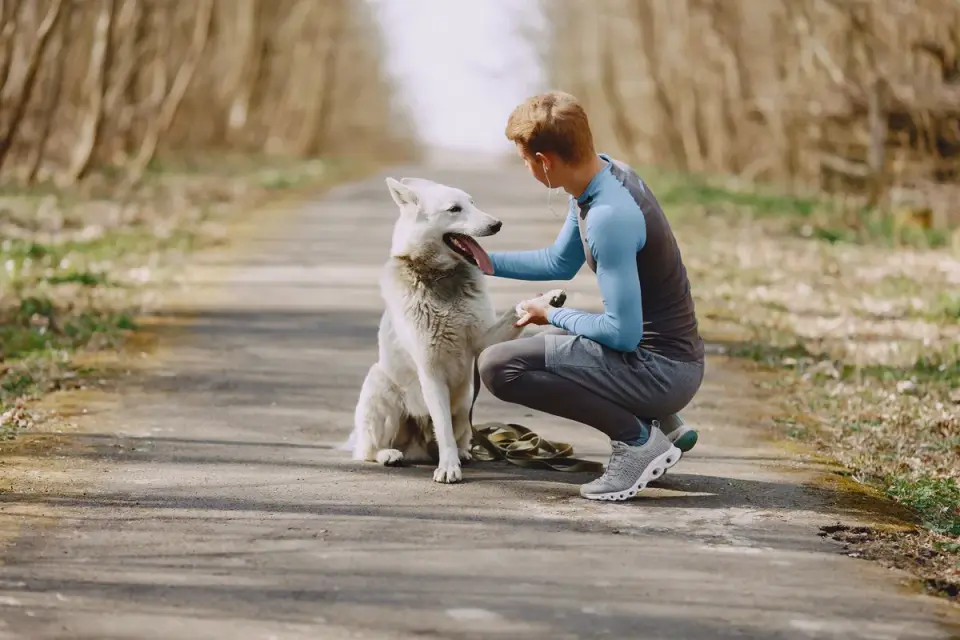
That is the yucca pattern I watch for. If appetite, stool, or energy dip, stop and call your veterinarian. Do not stack multiple new botanicals at once, or you will never know what helped or hurt.
Learn how single ingredients compare in a broader plan in Glucosamine vs. MSM for Dog Joint Pain: What Each One Actually Does and Dog Hip and Joint Supplements: What Actually Helps and What’s Just Marketing.
Where boswellia earns its place
Boswellia is my more comfortable single-herb trial when the goal is steady comfort support alongside movement. I still keep the timeline honest: 2 to 4 weeks, same food, same walks, one notebook.
A 12-year-old, 18-pound terrier mix showed where the usual advice has to bend. Stairs were out, and even a quarter-mile loop was too much on bad days. Instead of pushing distance, we switched to three 6-minute flat-surface strolls with rest days, added a ramp to the couch, and kept her 0.4-mile best walk as the ceiling rather than the target. With her veterinarian’s okay we trialed a boswellia-containing formula while holding weight steady. By week 3 she rose without a second try on 5 of 6 mornings, and the owner kept the ramp because the habit protected her on the days the herb could not.
Small dogs bend the plan more often. Ramps beat jumps.
Where a broad formula fits beside movement
Some owners do not want to trial single botanicals. That is where a multi-ingredient joint chew fits, alongside food, weight, and Fish Oil EPA vs. DHA Ratio for Dogs: What Actually Supports Joints and Brain.
Boops Pets Advanced Hip & Joint combines glucosamine (1000mg), MSM (500mg), chondroitin (250mg), and Green-Lipped Mussel (100mg) to support joint flexibility and mobility, with Green-Lipped Mussel contains omega-3 fatty acids and glycosaminoglycans that have been studied for joint support. It also includes hyaluronic acid at 20 mg per serving, vitamin C, pumpkin fruit powder, and no yucca or boswellia, so it is not the pick if you specifically want a yucca or boswellia single-herb trial. For owners who prefer recognized joint actives in one chew, Advanced Hip & Joint is the practical #2 in this comparison.
Owner checklist before you buy
Start with baseline, behavior, and low-stress handling. Weigh, photograph body condition, and log rises, stairs, and walk distance for 7 days.
Then choose one path for 3 weeks: weight + movement only, weight + movement + yucca, or weight + movement + boswellia. Keep treats joint-friendly with ideas from Can Dogs Eat Strawberries? A Neurologist’s Take on Treats, Sugar, and Joint-Friendly Diets. Recheck with your veterinarian if limping worsens, if NSAIDs or steroids are on board, or if GI signs appear.
These statements have not been evaluated by the FDA. This product is not intended to diagnose, treat, cure, or prevent any disease.
Sources
- Boswellia Serrata, A Potential Antiinflammatory Agent: An Overview — Indian Journal of Pharmaceutical Sciences