
On this page
Low-exercise does not mean no exercise, and that distinction shapes joint health for years.
Vets often see the misunderstanding in calm, heavy, or short-faced breeds. An owner chooses a Bulldog, Shih Tzu, or Great Dane for a quieter house, then reads “low-energy” as permission to skip walks. Muscle mass drops within weeks, body weight creeps up, and cartilage and soft tissues lose the regular loading that keeps them resilient.
Physiology explains why. Articular cartilage has no direct blood supply and relies on cyclic joint loading to move synovial fluid and nutrients. Skeletal muscle acts as a living brace around elbows, hips, stifles, and the spine. Short, regular bouts of walking maintain that brace and support a healthy weight, which matters more for lifetime mobility than any single long weekend outing.
American Kennel Club breed profiles group many calm companions, mastiff types, and giant breeds as needing modest exercise compared with sporting or herding dogs. That comparison is useful, but it is relative. A Cavalier King Charles Spaniel still needs daily walks for cardiovascular health, bowel regularity, behavior, and weight control, even if it never needs a 10-mile run.
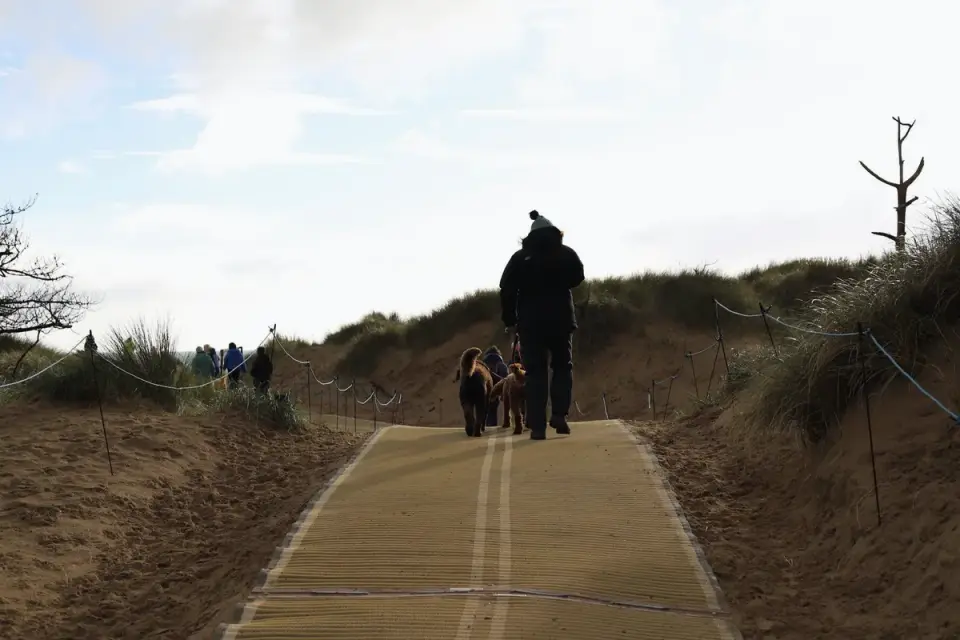
What low-exercise really means in the body
Think in minutes and consistency rather than intensity. Most healthy low-exercise adults do well with 20 to 40 minutes of total movement per day, split into two or three short walks plus sniff breaks, training, and indoor play. Brachycephalic breeds, toy breeds, and giant breeds often do better with shorter, cooler sessions than one long march.
Weight is the lever owners control most. Extra fat increases load on every step and is linked to earlier mobility problems. Food therapy principles apply here: measure meals, adjust for treats and training food, monitor body condition score every two weeks, and keep treats to a small share of daily calories.
Where supplements fit deserves a clear-eyed weigh. Glucosamine and chondroitin are among the most studied joint support ingredients for dogs, and Green-Lipped Mussel contains omega-3 fatty acids and glycosaminoglycans that have been studied for joint support. Weigh what a supplement can realistically do for diet, mobility, and recovery: these ingredients may help support normal joint structure and flexibility alongside movement and weight control, but they do not replace daily loading or reduce a need for exercise. The National Institutes of Health Office of Dietary Supplements summary of glucosamine and chondroitin research in people is a useful reminder that evidence is mixed and product quality varies, which is why nutrition, movement, and veterinary guidance come first.
Breeds often grouped as lower-exercise, compared honestly
No breed list predicts an individual dog. Age, orthopedic history, airway anatomy, heat tolerance, and temperament change the plan more than the label. With that caution, these breeds are commonly described as needing less vigorous exercise than high-drive working dogs, yet each still needs daily movement.
Calm companions such as Cavalier King Charles Spaniel, Shih Tzu, Havanese, and French Bulldog generally prefer short walks and play. Their risk is not lack of willingness but airway limits, heat sensitivity, and weight gain when walks get skipped.
Heavier, easygoing types such as Bulldog, Chow Chow, Shar-Pei, and Mastiff breeds often tire faster and overheat sooner. Keep pace conversational, choose grass or dirt over hot pavement, and stop before heavy panting.
Giant, slow-maturing breeds such as Great Dane, Bernese Mountain Dog, and Newfoundland may look athletic but pay a higher cost for repetitive impact, stairs, and slippery floors. For an achy giant dog, trade distance for frequency, as discussed in Dog Treadmill vs Outdoor Walking: Which One Actually Serves an Achy Dog Better? and Off-Leash Play vs On-Leash Walks for Exercise: What Actually Serves a Dog’s Joints.
Sight hounds with couch-potato reputations, notably Greyhound and Whippet, illustrate the contrast best. They can sprint but often settle well indoors, and they still need a daily leash walk plus a safe chance to sniff and stretch.
Derek in Roseville, California, noticed this with Jacques, a 2-year-old neutered male Labrador Retriever who is not itself a low-exercise breed but shows the same principle: after three weeks of only yard time, the dog gained 4 pounds and began lagging on stairs, then steadied once short morning and evening walks returned.
A joint-friendly week for a calm dog
Build the routine around traction, warm-up, and recovery. Use rugs or runners on slick halls, a harness rather than collar pressure on the neck, and a 3- to 5-minute easy warm-up before any brisk segment.
A practical template is two 10- to 15-minute leash walks daily, plus 5 minutes of nose work, gentle incline, or controlled play. For stiff or senior dogs, Swimming vs Walking for an Arthritic Dog: Which Actually Helps More? can help owners choose between buoyancy and loading. Keep one rest or very light day after any longer outing.
Watch the signals that mean shorten the session: lagging behind, sitting down, loud breathing, limping, or needing more than an hour to settle afterward. Heat, humidity, cold, and poor traction all shorten the safe window.
Short matters.
Owner checklist before you choose a low-exercise breed
Match the dog to your real schedule, not your ideal one. Can you give 20 to 30 minutes most days, plus training and weight checks? If not, even the calmest breed will lose conditioning.
Ask about breathing, joints, and heat tolerance in the breed and in the parents when possible. Plan home setup early: non-slip surfaces, a ramp for the car or couch for heavy or short-legged dogs, and a cool-hour walk route in summer. For brachycephalic breeds, see Boxer Care and Exercise Needs: A Vet’s Real-World Guide for an example of balancing airway limits with daily movement.
Evidence that would change this position is straightforward: controlled data showing that sedentary calm breeds keep muscle, weight, and mobility as well as walked peers, or strong clinical trials showing a supplement alone preserves joint function without movement. Current nutritional and rehabilitation evidence does not show that, which is why movement plus weight control remains the base.
Frequently asked questions
What breed of dog does not require a lot of exercise?
No breed needs zero exercise, but Cavalier King Charles Spaniel, Shih Tzu, Havanese, French Bulldog, Bulldog, Chow Chow, Greyhound, and Great Dane are often lower-exercise than sporting breeds. Plan on 20 to 40 minutes of daily movement, split into short walks, adjusted for age, weight, airways, and heat.
Can I skip walks if my low-energy dog plays in the yard?
Yard time rarely replaces walks for muscle maintenance and weight control. Add at least one or two short leash walks daily for steady loading, plus training and sniff work.
How do I exercise a low-exercise breed without hurting joints?
Favor frequency over distance, warm up 3 to 5 minutes, use traction and a harness, avoid heat and long high-impact sessions, and stop for lagging, limping, or heavy breathing. Ask your veterinarian to tailor minutes to orthopedic and airway risk.
Sources
- Dog Breeds — American Kennel Club